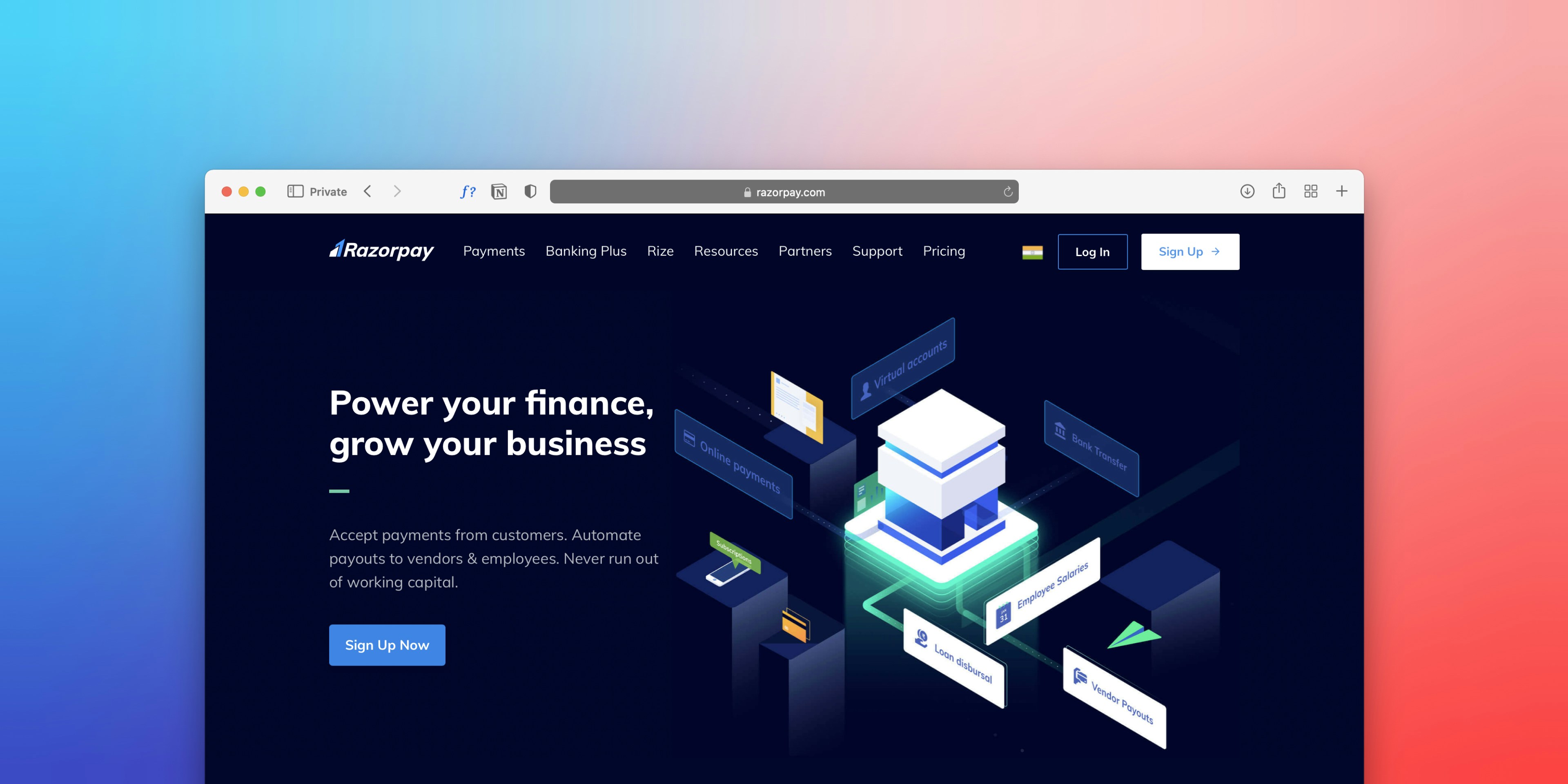
What does it mean to have “embedded finance”?
Embedded finance is when you add financial services to platforms that aren’t financial. This makes it easy and quick for businesses to sell financial products straight from their own systems. Users will find it easier to access basic financial services like banking and making payments because they won’t have to leave a platform to do so. Embedded finance is important in today’s financial world since it shows that many areas are evolving toward digital experiences that are easier to use and more integrated.
E-commerce has developed a lot in the previous several years, which has made it easier for people to use integrated banking. More and more stores are letting customers pay for things straight on their websites. This makes it easy for customers to buy products. This tendency isn’t just happening in traditional businesses. It’s also happening in transportation services, where applications that enable people share rides can make it easier to use the app to pay for rides or food deliveries. Businesses run more smoothly with these financial services, and their consumers are happier, which leads to more sales and more loyal customers.
Putting financial services within popular apps also gives you a lot of data that you can use to make each user’s experience more personalized. For example, businesses can learn more about their customers by offering them bespoke loan alternatives based on what they know about how they spend their money and what they want. Integrated finance is becoming more popular, and it will affect many areas, such as healthcare, real estate, and education, where people will have to make choices and do financial transactions.
Ultimately, embedded finance alters numerous aspects of monetary operations. It illustrates that non-financial platforms are now very important for providing a wide range of financial services. clients will find it easier to work with these two companies, and it will also be possible to come up with new financial solutions that meet the needs of today’s clients.
The Past and What Has Changed
The idea of embedded finance comes from old banking models that mostly dealt with individual financial transactions. The world of finance changed a lot over the years as technology became better. The first financial systems were meant to work on their own, with only a small bit of connection to the rest of the world. They didn’t usually think that money was vital in their daily lives.
But the rise of digitalization in the late 20th and early 21st centuries was a huge step forward in this process. With the help of the internet and mobile technology, many platforms may easily find new ways to handle money. We now call this change “embedded finance.” One of the most important things that happened during this time was the growth of online banking. People could talk to their banks whenever and wherever they wanted.
Online stores have also made it possible to offer financial services immediately at the time of sale. Businesses started to offer payment solutions that let clients stay on their present platforms to make the checkout process smoother. Because of this perfect integration, people started to assume that money transfers would be rapid and easy.
As more people wanted easy and quick ways to handle their money, other firms, like mobility services, also started to use integrated finance strategies. For instance, ride-sharing apps include built-in payment processing, so users don’t have to use other payment systems to pay for rides. The integration of finance with other non-financial platforms illustrates that embedded finance is still growing and changing, thanks to new technology and consumer developments.
In conclusion, the history of embedded finance illustrates how far it has come from traditional banking to its current condition, where e-commerce and mobile devices make financial services available anywhere. This makes things better for clients and makes the way services are offered better.
Important Parts of Embedded Finance
Embedded finance is a group of financial services that work well with non-financial platforms to make them easier to use and more available. Embedded finance provides a number of important services, such as lending money, processing payments, providing insurance, and making investments. All of these things are needed to make a complete financial solution that works for a number of different customers.
The most important thing about embedded finance is that it can handle payments. Companies can integrate payment gateways right to their sites, so users don’t have to go to a different site to make a purchase. This great link helps customers find what they want and speeds up purchases, which means that more people buy things online.
Embedded finance also has a number of loan alternatives right now. Companies can use data analytics and machine learning to quickly check the creditworthiness of those who sign up for their services. Businesses can swiftly approve loans or make credit offers that are right for each customer with this technology. Customers are pleased, and the business generates more money.
Adding insurance services to non-financial platforms also makes it easier for users to get coverage wherever they use the service. For example, people can get coverage when they shop online. This new feature makes it easier for people to buy insurance and for more people to get it. This helps insurance companies get more business.
Lastly, more and more apps are adding financial services, which makes it easier for people to keep track of their money. For instance, some online stores might let individuals use their cash-back rewards to invest or provide them more tools to help them save money while they shop. These ties enable people handle their money more directly, which gives them more control over it.
You need current tools like application programming interfaces (APIs), machine learning, and blockchain to get these basic parts to operate together. These technologies let platforms talk to different banks, which makes sure that users have a good and legal experience. As embedded finance changes, its most important aspects will be needed to provide full financial services on a wide range of platforms that don’t deal with money.
What are the benefits of embedded finance?
Embedded finance has revolutionized the game by making it easy to integrate financial services to numerous platforms that don’t have anything to do with money, such e-commerce and smartphone apps. This new way of doing things is helpful for both customers and businesses in a lot of ways, and it improves the experience for users much better. One strategy to help individuals finish their purchases quickly without having to go to other financial service providers is to add payment alternatives to e-commerce sites. This easier way not only saves time, but it also gets more people to buy products. This is because 30% of people who shop online leave their carts because they can’t figure out how to pay.
Embedded finance also makes it easier for people to access financial services, especially those who can’t get to normal banks. People can acquire loans right away at the point of sale using integrated financial solutions. A lot of buy-now-pay-later services, for example, have grown a lot. These services let people buy things on e-commerce sites. Use has gone up by 200% in the last few years. This development shows that more and more platforms are offering financial services, which makes them easier for everyone to get to.
Businesses also benefit greatly from operational efficiency. Businesses can save money on keeping track of customer accounts and getting paid by using built-in banking solutions. Businesses that employ these integrated services can save up to 20% on transaction expenses, according to a report. This cost-effectiveness also leads to higher customer loyalty because embedded financing makes things easier and better for customers. Around 70% of customers say they are more likely to go back to a business that offers all-in-one financial services. This shows how strongly keeping clients and embedded money are linked. All of these perks make the connection between businesses and customers more interesting and helpful.
How to Use in Different Situations
Adding money services to platforms that don’t deal with money is having an impact on a lot of businesses. This makes things easier and better for the customer. Big online marketplaces like Shopify let businesses handle payments, lend money, and offer insurance all from their own websites. This connection helps stores turn those who are just looking around into consumers and raise the average order value.
More and more travel companies are adopting sites like Booking.com and Airbnb that come with built-in money management capabilities. Users can schedule a place to stay on the booking page and choose from choices for quick payment processing, insurance coverage, and even awards for being a repeat customer. This all-in-one plan not only makes things easier for clients, but it also gives them peace of mind when they travel, which keeps them coming back.
Embedded finance is also having a big effect on the healthcare industry. Some telehealth systems are letting patients pay for services directly through the app. This means they don’t have to talk to anybody else. Patients can easily get both medical care and money by combining billing and financing options. This usually makes patients happier and more involved.
The gig economy is also helped by apps like Uber and Fiverr that enable users send money. These businesses have added banking services like quick payments and modest loans that provide gig workers quick access to the money they need. This link makes the platforms work better as a whole and helps the workers.
These real-world examples show how financial services are being added to non-financial platforms in many areas, and this is always evolving. This is good for the business and makes things easier for users.
Things to think about and issues
Adding financial services to platforms that don’t already have them might make things a lot more complicated. People who want to use these new technologies should think about them carefully. Following the rules is one of the hardest things to do. The appropriate people make the rules around money, and businesses have to follow them. Businesses need to follow a lot of complicated financial rules at the local, national, and international levels. This need for compliance can make it tougher to put everything together.
Businesses that offer financial services also need to protect their data. Businesses need to make sure that any financial information supplied through their platforms is protected as cyber dangers and data breaches grow more common. To meet this need, you need to spend money on good cybersecurity and make sure that the technology you use follows data protection standards like the General Data Protection Regulation (GDPR). You need to keep client information safe so that consumers will trust you and feel safe using embedded finance tools.
Integration brings even more problems. Companies need to make sure that the technology they already have works well with the financial services they offer now. You may need to deal with more than one financial institution for this job. To make sure everything runs well, you will need to use application programming interfaces (APIs). If the integration process isn’t well planned and carried out, it could waste a lot of resources and make the user experience worse.
Companies should think about how this new way of doing things might impact how much customers trust them. If you want your clients to trust you, you need to be honest about your fees, terms, and how you use their data. A well-thought-out plan that includes new ideas and focuses on security, compliance, and user trust is very important for integrated finance to work on a number of platforms as it changes.
What will happen to embedded finance in the years to come?
As we get closer to a time of huge changes in technology, the world of embedded finance is going to change a lot. More and more sites that don’t deal with money are starting to offer money services. There are also new ideas that could change how things work. Blockchain, artificial intelligence (AI), and mobile payment systems are some of the most important technologies that are bringing the ecosystem together.
AI is changing the way businesses provide financial services. Using a lot of data to offer personalized services can make clients’ experiences better. For example, online retailers that use AI can suggest personalized financial items, making it easy to integrate financial solutions to the shopping experience. AI-powered decision-making also allows you check your credit in real time, which makes it easier for clients to get cash straight away.
Blockchain technology makes things safer and more open, which is very important for the future of integrated banking. Because it isn’t controlled by one person, it protects transactions, lowers the risk of fraud, and makes it safer for businesses and customers to talk to one other. Companies in a wide range of fields, from retail to transportation, are starting to look into how blockchain could make payments easier and give individuals more peace of mind about their money. The more platforms that use this technology, the more likely they are to add other financial services to their main offers.
These days, more and more people are adopting mobile payments. Payment APIs and mobile wallets make it easy for businesses to offer financial services to their apps. This means that customers don’t have to use payment methods from other companies. This mobile-first concept fits with what customers want: things to be quick and easy. This will make it easier for more people in more places to use it.
In the future, it looks that embedded finance will do well. New technology will likely make it easier to use banking services every day. These reforms will make things easier for both customers and businesses and create new opportunities.
What do working together and forming partnerships do?
Banks and other businesses need to work together and develop partnerships more and more as embedded finance changes. These strategic partnerships make it easier to add financial services to platforms that don’t already have them. This makes the services better for users and easier to use. These agreements make it easy for businesses that don’t deal with money, such e-commerce, transportation, and retail, to offer financial services that their customers love. This is what it means to have built-in financing.
For example, a number of big online businesses now let clients pay in a number of ways right on their websites. These businesses can work with banks and other financial institutions to create payment gateways that let clients conclude their purchases without leaving the store. This fluid communication makes things easier and has been proved to dramatically boost conversion rates, which is excellent for both the client and the business.
Ride-sharing companies are now working with banks and other financial institutions to make it easier for users to pay. These companies make it easy to pay by adding banking services to their platforms. They also offer their customers loans and insurance, which are excellent for them, as well as other ways to make money. This innovative idea is part of a trend that is rising to use mobile technology to improve the way customers use financial services.
People don’t only use tools when they work together. They also need to know how to support each other and work together to reach their goals. Banks and other financial institutions often get critical client information from groups that don’t deal with money. You can use this information to make your own plans for your money. On the other hand, non-financial businesses gain money by providing integrated financial services since it keeps their clients pleased and loyal. These links show how financial services are becoming a normal part of life. This means that these services will be easy to find and will be available everywhere in the future.
In short, relationships are particularly important when it comes to embedded finance. More and more businesses are realizing how useful these connections are, which means that more and more non-financial platforms will offer financial services. This will lead to new ideas that will help customers in many ways.
Final Thoughts
People and businesses utilize financial services in quite different ways now that embedded finance has been available for a few years. Adding these services to e-commerce and mobility solutions, which aren’t financial, makes it easier and more comfortable for customers to use them. People can easily keep track of their money with this integration, which means they don’t have to switch between apps.
Businesses will also benefit greatly from the move toward embedded finance. Adding financial services to their platforms can help businesses keep customers and make them happier. For instance, e-commerce sites that allow customers pay in one spot make it easy for them to check out, which means fewer people leave their carts. Mobility services that enable you pay for ride-sharing or public transit also make it easy to pay for products, so users can rapidly get around without having to use other payment methods.
As more and more people use financial services every day, both businesses and customers need to understand how these links could change the game. Embedded finance not only makes the user experience better, but it also makes businesses look for new ways to distinguish out in crowded markets. This change will help businesses make more money and add value by getting more people to do business with them and giving them better service.
How people use financial services for purposes other than money will determine their future. Integrated finance is good for people and organizations, and it’s also necessary as technology improves and customers’ needs change. This partnership is helping us manage our money every day in a way that is easier, faster, and better.