The Start.
Your credit score is highly significant for your money since it may effect your ability to receive loans, credit cards, and even a place to live. If you know how credit ratings work and how to boost and retain them, you may have more options when it comes to money. This post will explain what impacts your credit score and provide you tips on how to raise it.
1. What does it mean to have a credit score?
Your credit score is a number that tells lenders how likely you are to pay back money based on your credit history. It helps lenders calculate out how likely you are to pay back the money they provide you.
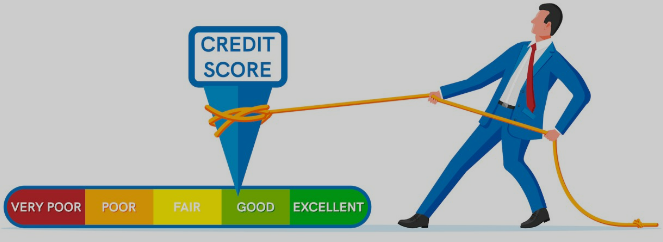
Important credit scores:
Very Good (800–850)
Very Good (740–799)
Good (670–739)
Fair (580–669)
Not good (300–579)
2. Things that might make your credit score go up or down
If you know what influences your credit score, you can make sensible decisions that will improve it.
The Most Important Things: Payment History (35%): This is a record of how well you’ve paid your payments on time in the past.
Credit Utilization (30%): This is the amount of money you owe on your credit cards compared to the amount of money you can borrow.
Length of Credit History (15%): This is the age of your oldest account and the average age of all your accounts.
New Credit (10%): This is the number of new credit applications that have been sent in lately.
Credit Mix (10%): This is the number of various sorts of credit accounts you have, such credit cards, mortgages, and loans for cars.
3. Improving Your Credit Score
Raising your credit score takes time and effort, but it’s worth it. Here are some things you can do to improve your credit score.
How to Improve Your Credit Score:
Always pay your bills on time. This is highly crucial for your credit score.
Pay off your credit cards: You should try to keep your credit utilization below 30% of your total credit limit.
Don’t open too many new accounts. Your score might go down if you ask for a lot of credit in a short length of time.
Do not close your old accounts. The longer your credit history, the better your score will be. Keep using and keeping your old accounts.
Your score could go up if you use different types of credit, such installment loans and revolving credit.
4. Keeping an Eye on Your Credit
Checking your credit regularly helps you maintain track of changes and find errors or fraud.
How to Keep Track of Your Credit:
Every year, you may acquire a free credit report from each of the three primary credit bureaus (Equifax, Experian, and TransUnion) from AnnualCreditReport.com.
Credit monitoring services: You may want to consider about hiring credit monitoring services that let you know when your credit report changes.
Check Reports for Errors: If you find any inaccuracies in your credit reports, challenge them.
5. Being very knowledgeable about credit
The best way to keep your score high is to take care of your credit.
Here are some tips for managing your credit:
Set up reminders or automatic payments to help you remember to pay your bills on time.
Limit the number of credit applications: Don’t apply for new credit until you absolutely need it, otherwise you could receive too many unpleasant calls.
Pay Off Your Debt the Right Way: Pay down the bills with the highest interest rates first. Then, at the absolute least, pay down the minimum amount on your other accounts.
Keep your balances low: Your credit card balances should be low relative to your credit limit.
6. How to Deal with Problems with Credit
You may take steps to deal with and fix your credit issues.
How to Fix Your Credit Problems:
When you consolidate your debt, you get a loan with a lower interest rate and pay off all of your payments at once. This makes it easy to pay back.
Counseling for Credit: Get advice from a reputable credit counseling company to come up with a plan on how to pay off your debts.
If you can’t pay, phone the folks you owe money to and ask for a payment plan or settlement.
repair Thank you: You may utilize secured credit cards or credit-builder loans to assist you fix your credit history.
To put it simply,
You need to know what your credit score is and how to deal with it if you want to be excellent with money. You may be able to acquire greater financial opportunities and feel better if you follow these strategies to improve and retain your credit. It takes time and effort to get a decent credit score, but the advantages are well worth it.