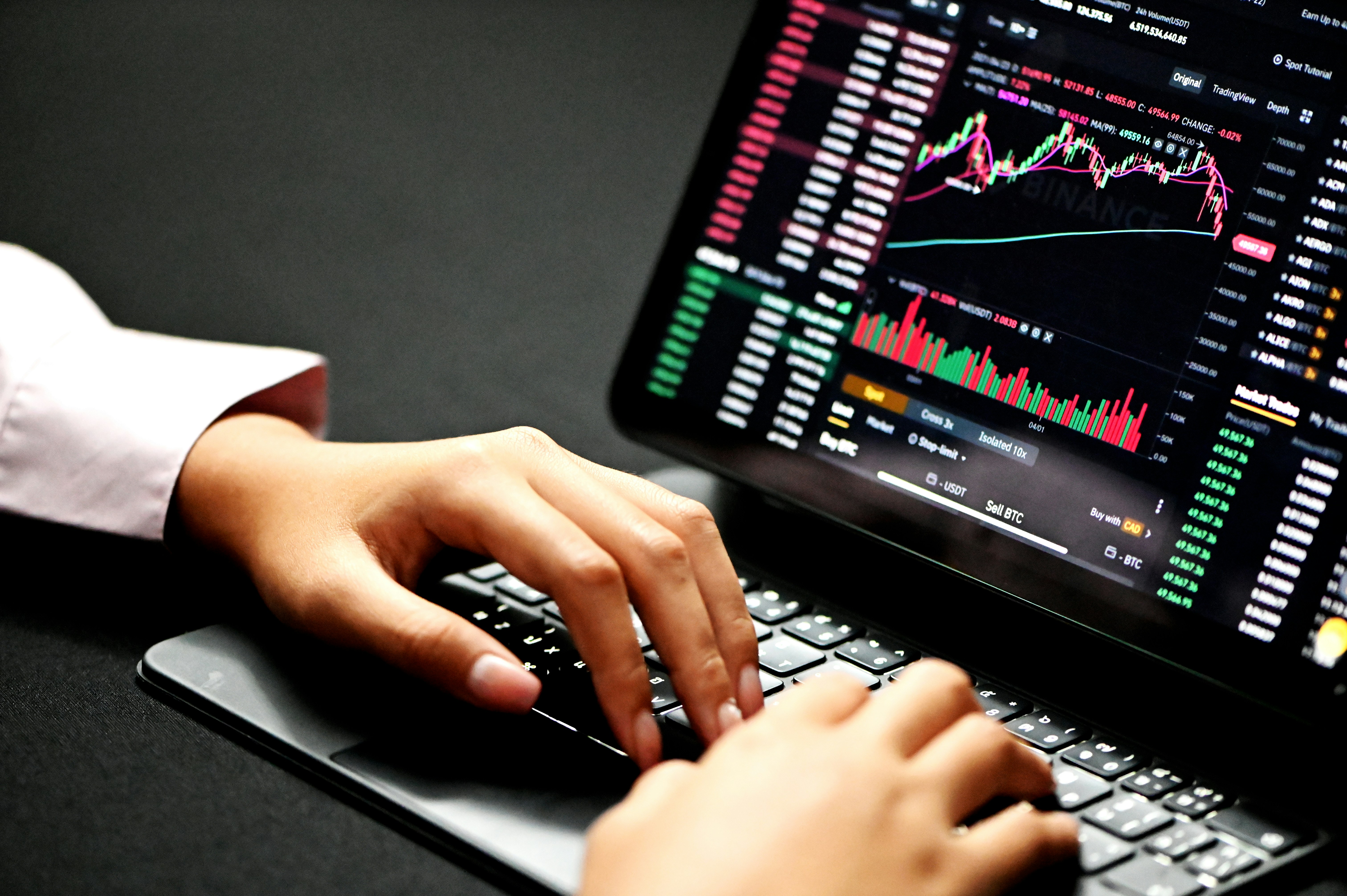
Learning about Real-Time Finance
Real-time finance is a new way for businesses to manage their money. It’s considerably different from how they used to do it, which was usually through periodic updates. Companies used to get financial data once a month or once a quarter. This made it tougher for individuals to make quick decisions, which could damage their capacity to adapt. Real-time finance, on the other hand, uses cutting-edge technology to provide businesses instant access to financial data. This helps them quickly respond to changes in the market and in the company.
In today’s fast-paced business world, it’s quite crucial to be able to quickly get to financial information. Decision-makers need timely information to make wise choices that help their organizations grow since customer tastes and industry trends change quickly. Organizations may get ahead of the competition by looking at the benefits of real-time reporting. This will help them make better guesses, set budgets, and make plans. This live perspective of how the company is doing financially not only helps with making strategic choices, but it also makes everyone in the company feel responsible.
Cloud-based accounting solutions also provide innovative benefits that make it easier to use real-time financial data in your daily life. Businesses can sync their financial reports with data that is entered in real time thanks to this technology. This helps you keep track of your financial flow and use your resources properly. Better cash flow management is another crucial feature of real-time finance. This enables businesses keep an eye on their finances at all times and fix problems like late payments or unplanned charges before they happen.
As we learn more about the benefits of real-time finance, it will become clear how this new method of doing things affects the way we look at finances and makes operations run more smoothly, which in turn leads to better financial results for organizations. In today’s competitive financial world, real-time reporting systems are not only great to have; they are necessary.
The Benefits of Having Immediate Access to Financial Information
In today’s fast-paced corporate world, being able to look into the benefits of real-time reporting can help an organization make better strategic decisions. When businesses can see their financial data right away, they can make rapid, smart decisions. This gives them an edge over their competitors in the market. Leaders can always check on their company’s finances and make sure their operational strategies are in line with what’s going on in the market by using real-time data.
One of the best things about being able to get data quickly is that it helps you manage your cash flow better. Businesses may see their cash flow in real time and instantly find problems like late payments or costs that are going up. For instance, a retail store that employs cloud-based accounting can find out if it has too much stock that is wasting money. It can adjust its purchase strategies almost right away using real-time information, making ensuring that cash flow is at its best and resources aren’t stretched too thin.
You should also be able to respond quickly to changes in the market. For example, real-time reporting analytics can show a software company right away if sales are going down or up a lot. With this information, the business can swiftly adjust its sales approach or inventory levels to fit customer needs. This will help it avoid missing out on sales opportunities. But companies that still utilize antiquated reporting systems might not be able to react quickly enough to these changes, which could lose them money or miss out on opportunities. With this real-time visibility, businesses can not only react to changes in the market, but they can also foresee them, which is incredibly useful for preparing ahead.
Cloud-based accounting solutions also make these benefits even better by letting you see all of your financial information in one location. Anyone in an organization can easily access their financial metrics and performance indicators from anywhere, which makes it easier for team members to work together. Any business that wants to keep developing and producing money should make it a priority to be able to get financial information right away.
Problems that can about when you don’t have current financial information
Companies can have a lot of trouble if they don’t have access to real-time financial data in today’s fast-paced commercial sector. One of the major concerns is that systems that aren’t efficient cost more to run. If businesses don’t obtain rapid information on how well they’re doing financially, they may have to use old data. This can cause people to make incorrect decisions that cost more and lose profits. The Institute of Finance and Management undertook a study and discovered that organizations who didn’t report their finances on time had operational costs that were 25% more on average than companies that did use real-time data.
It is also very hard to produce accurate financial predictions when you don’t have up-to-date financial information. Businesses could find it hard to figure out what the market will do next or to swiftly change their products or services to satisfy the needs of their customers as they change. This shortage can make it hard to keep track of inventories, give out too much credit, or miss out on sales. According to study by the Analytics Institute, businesses who used real-time data were 30% better at predicting demand. This made them more responsive to the market and more flexible in how they did business.
Another huge risk is that not having real-time financial information might make you less competitive. Companies who don’t have access to their current financial performance metrics are at a disadvantage compared to those that use cloud-based accounting systems to get real-time information. If you can’t make sensible decisions, you can miss out on possibilities to come up with new ideas, attract new clients, and move into other markets. The Business Insights Group claims that companies that use new financial technology are ahead of the competition. They also estimate that 70% of businesses that employed real-time financial data grew faster and did better in the market.
In the end, there are a lot of challenges that come up when you don’t have enough access to real-time financial data. Businesses need to know about these difficulties so they can discover ways to fix them that also help them look into the benefits of better cash flow management, real-time reporting, and cloud-based accounting. Some of these concerns are higher expenses of doing business, bad predictions, and less competition.
Technologies that let you get to your money right away
Technology is a key part of the changing world of managing money, and companies who want to do better are adopting it. One of the best things about this shift is that it gives you a chance to learn about the benefits of real-time reporting. This helps companies make wise decisions based on the most current data. One of the most crucial new technologies that is making this transition feasible is cloud-based accounting. Moving their financial data to the cloud lets businesses access it from anywhere and at any time. This gives them more freedom and the ability to adapt to changes in the market.
Cloud computing not only gives you quick access to your financial data, but it also makes it safer and more trustworthy. Most of the time, these systems come with built-in capabilities that let them back up and update themselves automatically. This keeps vital data safe and easy to access. For real-time finance, automated reporting tools are equally as crucial as cloud solutions. These systems can gather and evaluate financial data on their own, which saves a lot of time that would have been spent on human reporting. By automating the gathering of regular data and the writing of reports, businesses can save time and money. This gives them more time to work on their strategic goals instead of doing too much administrative work.
Integrated financial management systems also make it easy for departments to work together by giving everyone access to the same real-time data. These systems connect several areas of a business’s finances, like budgeting, accounting, forecasting, and managing cash flow. This gives a full picture of how well the company is doing financially. This connection is vital for businesses that wish to improve their cash flow management since it helps them make changes rapidly based on current financial data. Businesses not only make their operations more effective by employing these cutting-edge technology, but they also create a strong foundation to look into all the advantages they provide in a competitive situation.
Real-Time Finance in a Lot of Areas
Real-time finance is used in different ways by different businesses, and each one benefits from being able to get financial information quickly. Real-time data can help retailers maintain track of stock levels and sales patterns. By looking at this data, retailers can swiftly decide when to refill and provide discounts. This will make customers happier and help sales. Real-time reporting can help retailers run their businesses better and give them an edge in a market that moves swiftly.
Real-time finance is good for the manufacturing firm since it lets them keep track of production expenses and how well their operations are doing. When manufacturers can get to their financial data right away, they can better manage their supply chain and find methods to save money. Cloud-based accounting solutions also help make these tasks easier by combining information from different departments, which makes it easier to keep track of cash flow. With this level of information, manufacturers can instantly adjust their production plans to save money and make more money as the market changes.
The services sector can also benefit from real-time financial data. Service-based businesses, such as consulting or legal firms, can use rapid reporting to quickly find out how much to charge a customer and how profitable a project is. Cloud-based accounting software makes it easier for these businesses to maintain track of their finances and plan for future income. This not only makes things run more smoothly, but it also helps you develop stronger relationships with clients by being honest and sending bills on time. Adding real-time financial functionality makes it much easier to keep track of cash flow, so service providers can keep their finances in good shape even when demand varies.
It is really helpful to be able to see the benefits of real-time reporting, cloud-based accounting, and better cash flow management in all of these areas. When businesses can swiftly get to their financial information, they can quickly change and make wise choices. This helps them keep ahead of the competition in today’s fast-paced corporate world.
Setting up real-time financial data solutions
Companies that want to get better at managing their money need to use systems that give them real-time financial data. The first thing to do on this roadmap is to see how your current financial systems work. This entails checking the tools and processes that are already in place to see whether there are any gaps in data access and reporting. A thorough study can help you understand the specific needs that real-time data solutions must answer. This will make sure that financial systems are updated in a way that is focused and works.
Choosing the correct technology is the next stage, and it’s highly vital for a successful deployment. Companies should look for cloud-based accounting software that lets them see reports right away. For data management to be more consistent, these technologies need to function well with the financial systems that are already in place. It’s also crucial to consider about how well the technology you choose can grow and develop as the needs of the organization change. Cloud-based solutions help businesses keep track of their cash flow better since they enable you get to your financial data from anywhere, at any time.
Training workers is another key step in putting these solutions into effect. Even the best technology won’t assist if the team doesn’t know how to use it. By coming to workshops and training sessions, employees can learn how to use the new systems correctly. It is also helpful to make learning a part of the culture, where staff are encouraged to stay up to date on the newest features and best practices for real-time financial reporting. Training employees not only helps them get used to the new technologies, but it also makes sure that the solutions that have been put in place are used to their full potential.
In conclusion, organizations may successfully implement real-time financial data solutions that enhance decision-making and provide deeper financial insights by meticulously evaluating their existing systems, selecting appropriate technology, and training their personnel.
Case Studies: Success Stories in Real-Time Finance
Real-time finance has revolutionized how businesses work by offering them quick access to key financial data. A lot of organizations in a lot of different areas have started using this strategy, which indicates that integrating real-time reporting, cloud-based accounting, and better cash flow management can lead to significant success.
A good example is a medium-sized manufacturing company that had trouble keeping track of its inventory and cash flow. The company employed old-fashioned accounting systems, which made it impossible to collect financial information fast. This caused bad choices and problems with cash flow. With a cloud-based accounting system, they could access information right away. Not only did this move make their bookkeeping easier, but it also helped them understand how cash flow works better. Because of this, they could make sensible purchase decisions, which cut down on surplus stock and helped the cash flow. In the end, this resulted to a 20% rise in sales in only a year.
A good example is an online store that had problems keeping up with its rapid growth and changing customer needs. In the beginning, the company had problems keeping track of sales and inventory levels in real time. This led to stockouts and lost sales. After they bought real-time finance tools and transitioned to a cloud platform, they could keep an eye on sales trends and stock levels as they happened. Customers were happier since they could modify their supply levels before they needed to. This led to greater repeat business. The startup reported that controlling cash flow got 35% better after the rollout. This meant that they could use the money they made to develop new things.
These case studies highlight how businesses can learn about the benefits of getting accurate financial information and reporting in real time. Companies who employ cloud-based accounting systems not only run their businesses more smoothly, but they also have an edge over their competitors. It’s evident that organizations who want to do well in today’s fast-paced business world can get a lot of benefits from employing real-time financial strategies.
What Will Happen in Real-Time Finance in the Future
There are a lot of new things happening in the world of finance that are changing how we think about real-time finance. Artificial Intelligence (AI) is starting to be used in financial systems, which is a huge revolution. AI technologies are getting better, which means that businesses can look at a lot of data in real time. This ability makes it easier to guess what will happen with money in the future, make better choices, and spot possible issues before they get too huge. Adding machine learning algorithms also makes it easier to acquire real-time information about how well a business is performing financially, which helps businesses learn more about the benefits of real-time reporting.
Another big development is that finance is becoming increasingly automated. Automation tools are making a lot of financial tasks easier, which means that people have to do less work and things get done more quickly. Not only does automation make processing data faster, it also helps with cash flow management. Automating tasks like invoicing, payroll, and tracking spending can help businesses cut down on mistakes and make sure that financial reports are given out on time. This improvement not only saves time, but it also lets firms make informed financial decisions based on the most recent facts.
The shift toward decentralized finance (DeFi) is another important development that is having an effect on real-time finance. You can acquire banking services through DeFi without having to go through typical middlemen. This improvement makes it easier for everyone to use finance and speeds up transactions, which makes them safer and more open. As more and more companies use these decentralized platforms, they will have more chances to look into the benefits of real-time reporting and put money into novel ways to manage cash flow. Also, this trend goes along with a growing desire for more control over money, which makes firms more likely to undertake things that make them more flexible and able to handle cash flow problems.
In conclusion, the future of real-time banking will be shaped by better AI, more automation, and the rise of decentralized financial systems. These trends together promise to revolutionize how businesses keep track of and manage their money, so they can stay competitive in a world that is changing swiftly.
Conclusion: The need for real-time financial information
In today’s business world, where things change quickly, it’s more crucial than ever to have access to real-time financial data. Companies have to cope with a multitude of problems, like greater competition and the problems that come with changes in the economy. To deal with these difficulties, businesses require timely and accurate financial information that helps them make wise choices. The ability to look into the benefits of real-time reporting is a critical competitive edge that helps organizations quickly respond to changes in the market and customer needs.
One of the best things about cloud-based accounting software is that you can access your financial information from any place and at any time. This capacity not only helps team members work together, but it also gives leaders the knowledge they need to make smart decisions about the company’s finances right now. Companies can also better manage their cash flow when they know what’s going on in real time. This lets them proactively maximize their income and expenses. By keeping an eye on how cash flow fluctuates, businesses may avoid difficulties and take advantage of growth opportunities more rapidly.
Organizations of all sizes can now move to real-time finance operations as technology-driven solutions become increasingly popular. It’s crucial to put money into technologies that let you report in real time, such cloud-based platforms, to keep the business running and ensure sure its finances are in good shape. These systems functioning together not only make the corporate model more adaptable, but they also help businesses do well over time. When businesses know how crucial it is to have timely access to financial information, they can better handle difficulties and take advantage of new opportunities.
That’s why firms need to adopt real-time finance methods all the time. In a market that is becoming more competitive, the need for more visibility and flexibility will help them grow and stay in business.